Music

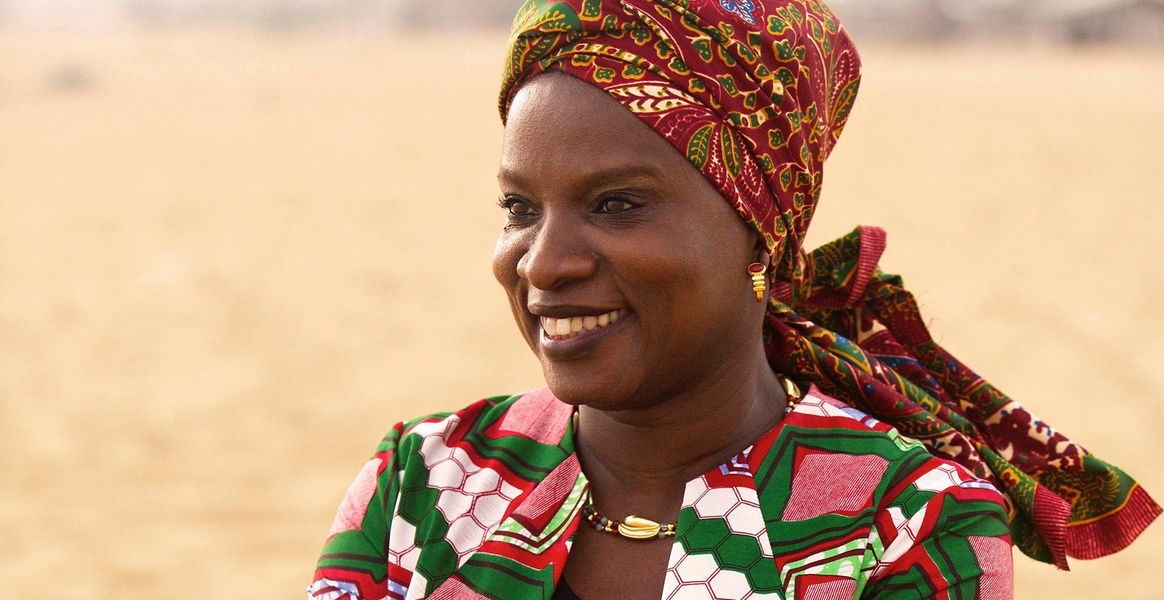
Angélique Kidjo: "I have learned to forgive"

28/12/2017 written by Sidonia Maurer
African singer Angélique Kidjo (57) has had an incredible career: she has won three Grammys, has her own charity organization "Batonga" and was named an Ambassador of Conscience by Amnesty International in 2016.

With your new project, you are reinterpreting the album "Remain In Light" by Talking Heads.what exactly will be different?

Angélique Kidjo: Music often follows the "one-two-three-four principle". That's why I decided to bring African music into this album - to heat up the rhythm a bit.

You are doing a "Tribute To Celia Cruz" show. Why in particular
Celia Cruz?
Salsa is big in Africa. Almost every band that performs in Africa is made up of men. Celia Cruz has shown many women that such stage performances are also possible as a woman. When I saw Celia Cruz walk on stage, I knew: "Nothing is impossible for women."


You emigrated to France when you were 22. Why did you do that?
I left my country because of the communism that prevailed there at the time. I didn't want to stay there and be brainwashed. Besides, I might have ended up in prison if I had stayed.


Benin, your home country, has been a democracy since 1990.
Exactly. We were fed up with communism. That's why the inhabitants told the head of state Mathieu Kérékou: "Either you kill us all or you leave."


What memories do you have of your childhood?
Lots of music, theater and laughter. My mother ran a theater group. I've been in the music business for as long as I can remember.


Opinions differ on Nelson Mandela. What do you think of Nelson Mandela?

I consider myself lucky to have known him for a few years. A few days ago, I asked myself what he would think of the world we live in today. One thing I learned from Nelson Mandela is to forgive. It doesn't mean that you forget if you go on living. I don't think we live in a forgiving society, but rather a society of harassment and hatred.

You dropped out of law school. Why did you do that?
Our system is weak. You don't necessarily have to know the law. Because if you don't have any money, you end up in prison very quickly anyway.


You founded a charity organization called "Batonga". What does it stand for?
We support girls and young women. Child marriage is not a tradition here in Africa. It absolutely has to stop! I don't understand why men think it's okay. With Batonga, we give girls the opportunity to pursue their dreams.

What is important to you when you collaborate with other musicians?
I always ask myself what they can learn from me and vice versa. It shouldn't be about anyone's ego.


What do you want to say with your music
First of all: Love yourself! If you love yourself and know who you are and where you come from, you can be a better person. It's not about money. We must not forget that money cannot save us from death. Money has become a danger and the number one enemy of democracy.


What music do you listen to in your free time?
I love classical music. But most of the time I leave it on random mode. That's me. I don't want to listen to just one type of music.


Do you believe in God?
I don't know what everyone means by God. I believe in a force that never judges and is full of love, forgiveness and compassion. You can call that God if you want. In that case, I would believe in God. I don't understand how people can believe in a religion that doesn't recognize your own rights. But I generally don't believe that there is a person without spirituality.


Time magazine has called you "Africa's premier diva". How do you like that?That's how they see me. Who am I to judge? But of course I'm happy to accept it.

How do you see yourself?
I see myself as a human being before I see myself as a woman or an African.


What is the favorite moment of your career?
My career can come and go. The greatest moment in my life was when my child was born.

Angélique Kidjo
January 25, 18, Kaufleuten-Klubsaal Zurich
TICKETS

Translated with DeepL